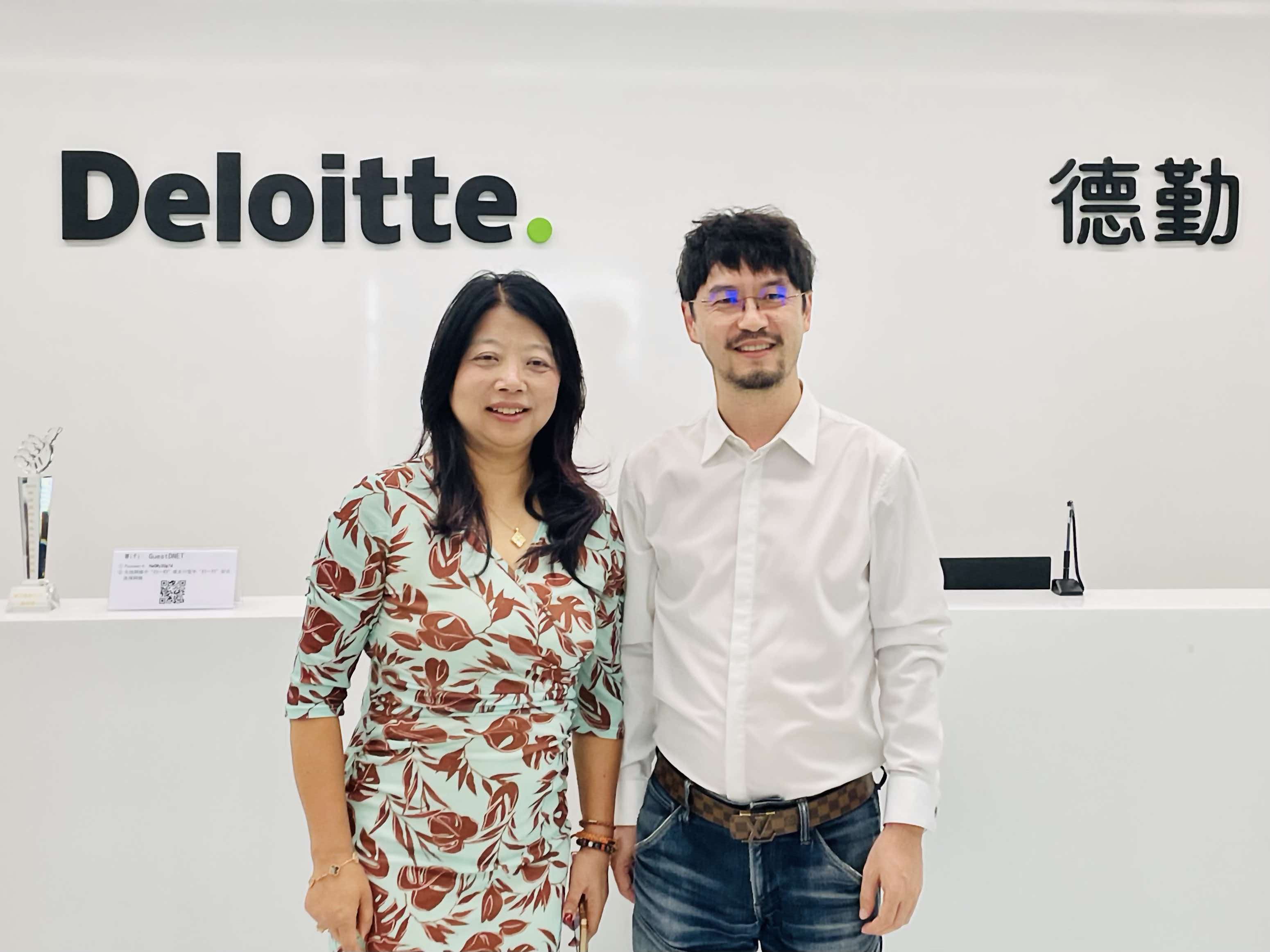
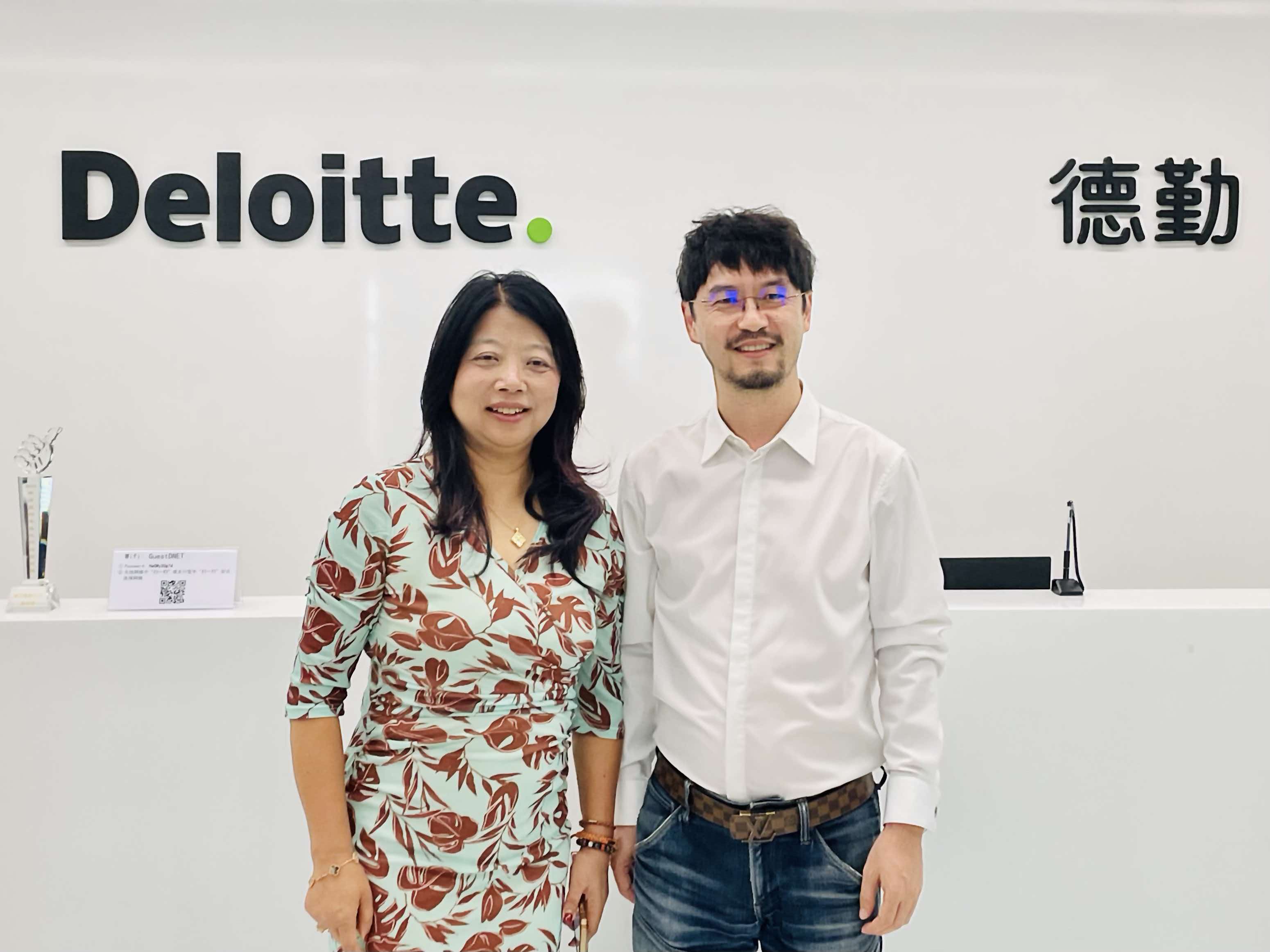
August 21, 2026 | Deloitte China’s Council
On August 21, 2026, Lincoln Wang, Founder and CEO of MindsLeap, was invited by Deloitte China Chair Vivian Jiang and CEO Dora Liu to share how to build an AI-native organization with Deloitte China’s Council.
The discussion was not about adopting one more AI tool. It focused on how leaders should rethink organizational capability, role boundaries, and ways of working as AI Agents, enterprise knowledge systems, and automated workflows enter real business operations.
An AI-Native Organization Is More Than Tool Adoption
In a traditional organization, experience is distributed across employees, meetings, processes, and documents. An AI-native organization asks additional questions: which capabilities can be captured as callable Skills, which information should become organizational Memory, which work can be redesigned through Workflows, and which judgments must remain human responsibilities.
Lincoln described an AI-native organization as a redesign of the operating system of work, rather than a procurement exercise. The meaningful question is whether AI enters business processes, collaboration, and decision feedback loops, not simply whether employees have access to several models.
Redefining the Boundary Between People and AI
As Agents become capable of research, first-pass analysis, content generation, and repeatable execution, leaders can shift from doing every step themselves to designing tasks, setting standards, configuring context, and reviewing outcomes.
This does not mean handing every judgment to AI. Organizations need clear risk levels, human checkpoints, evidence requirements, and escalation rules. AI can accelerate execution, while people remain accountable for objectives, facts, value judgments, and final responsibility.
From Isolated Experiments to Organizational Capability
When AI remains inside individual chat windows, an organization has difficulty building durable capability. A more useful path starts with real business tasks and gradually creates four reusable assets:
- Spec defines objectives, inputs, outputs, constraints, and acceptance criteria
- Skill captures a stable method for a category of work
- Workflow connects information, tools, steps, and human judgment
- Memory preserves organizational brand, history, rules, and business context
Together, these assets form the infrastructure for AI inside an organization. They help a team move from one-off prompt experiments to work systems that can be reused, evaluated, and improved.
Exchange with Deloitte China’s Council
The discussion covered the definition of an AI-native organization, how leadership teams can drive organizational change, and how professional services firms may understand the changes AI brings to knowledge work. Lincoln also exchanged views with members of Deloitte China’s Council.
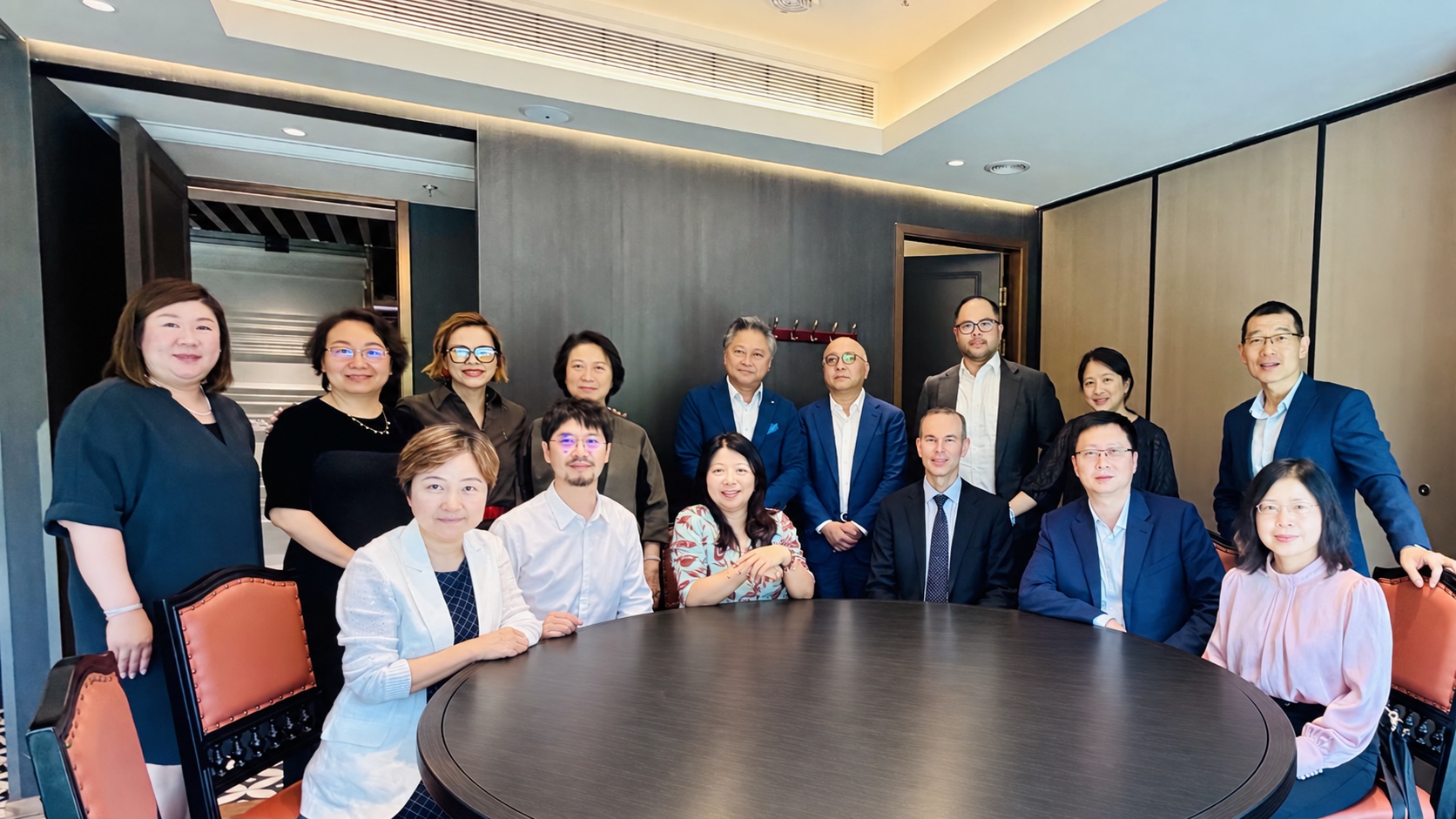
This was a focused sharing and discussion on AI-native organizations. It should not be read as a statement of an ongoing client relationship, long-term partnership, or endorsement by Deloitte. For any organization pursuing enterprise AI transformation, the next step is to turn shared understanding into high-value use cases, measurable pilots, and durable operating mechanisms.
Frequently Asked Questions
What was the topic of the Deloitte discussion?
The topic was how to build an AI-native organization, with a focus on AI Agents, organizational Memory, Skills, Workflows, and the changing boundary between people and AI.
How is an AI-native organization different from using AI tools?
Tool adoption mainly addresses individual productivity. An AI-native organization embeds AI into business processes, collaboration, knowledge capture, and decision mechanisms to build reusable organizational capability.
Where should an enterprise start?
Start by building a shared leadership language, then select a high-value and clearly bounded business use case. Define its inputs, outputs, human checkpoints, and evaluation criteria before running the first pilot.
About MindsLeap
MindsLeap is an enterprise AI transformation and AI-native startup acceleration platform. Through the MindsLeap Founders AI Club, AI training and strategic advisory, FDE implementation, startup acceleration, and global growth services, MindsLeap helps traditional enterprises embed AI into real business workflows and helps AI-native ventures connect with industry use cases and global markets. MindsLeap is a global partner of Founders Space.
This article was translated and adapted from the Chinese original with AI assistance.